Buttons & Ribbon Styles for Shirts and Dresses: Practical Design, Smart Choices, and 2025 Trends
Most garments don’t fail because of bad fabric or poor stitching. They fall flat because the details were treated as an afterthought. Buttons and ribbons sit right at that intersection between function and design. They close the garment, yes, but they also speak for it.
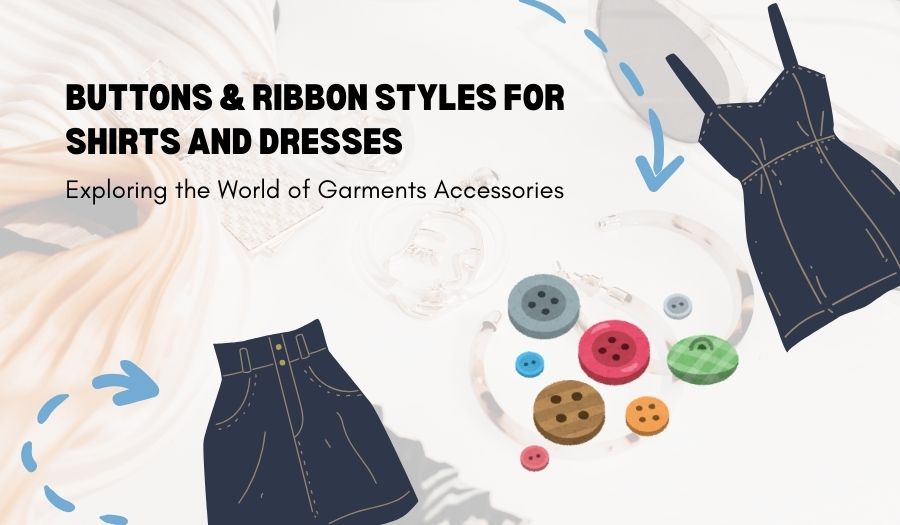
A plain cotton shirt with the right buttons suddenly looks intentional. A simple dress, finished with balanced ribbon accents, feels designed rather than assembled. That’s the quiet power of buttons & ribbon styles when they’re chosen and placed with care.
In global apparel production, trims and accessories account for roughly 8–12% of total garment cost, yet they influence more than 60% of perceived design value at retail. That gap is where smart styling lives.
This guide breaks down how buttons and ribbons actually work in real clothing, how to combine them without overdoing it, what buyers prefer today, and what’s changing in 2025. No theory. No fluff. Just usable insight.
Why Buttons & Ribbon Styles Change How a Garment Is Perceived
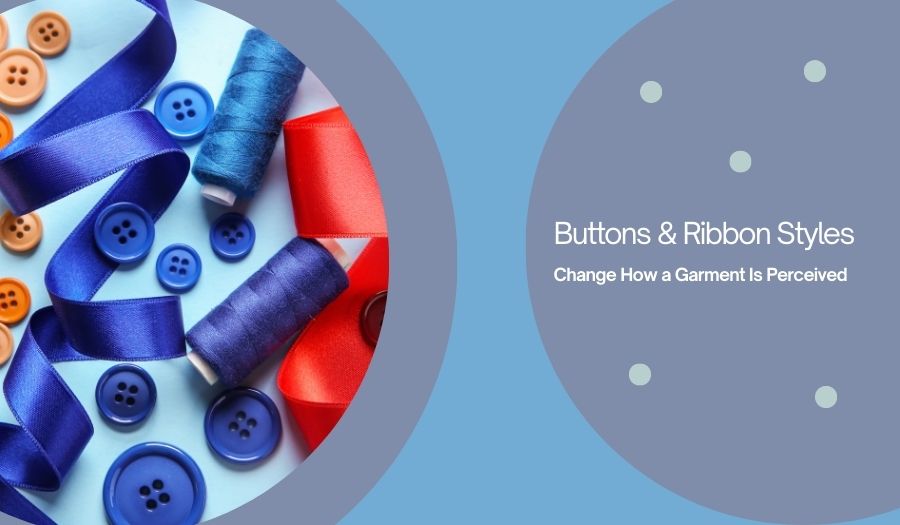
Buttons and ribbons do three jobs at once:
- Structural – they hold, fasten, reinforce
- Visual – they guide the eye and shape proportions
- Emotional – they signal quality, care, and intent
Studies from garment merchandising audits show that consumers spend 3–5 seconds longer examining garments with visible trim detailing compared to plain designs. That pause matters. It increases trial rate and perceived value.
A shirt with matched buttons and subtle ribbon detailing is more likely to be described as “well-finished” rather than “simple.” That difference affects pricing tolerance.
What this really means is simple: small details decide whether a garment feels complete.
Decorative Buttons for Dresses: Small Parts, Heavy Influence
Decorative buttons aren’t just closures. In dresses, they often act as vertical design lines, balance points, or focal accents.
Button Size and Visual Weight
- 10–14 mm buttons: Ideal for lightweight summer dresses, casual wear
- 16–20 mm buttons: Common in structured dresses, shirt dresses
- 22 mm and above: Statement buttons, coats, outerwear-inspired designs
Oversized buttons can overpower soft fabrics. Undersized buttons disappear on heavy materials. Matching weight matters more than trend.
Material Matters More Than Shape
In buyer preference surveys across South Asia and Europe:
- Shell buttons are favored in women’s casual and semi-formal dresses due to natural sheen and light weight
- Metal buttons dominate denim and structured garments
- Resin and polyester buttons lead mass-market production due to cost stability
If you’re sourcing decorative trims at scale, exploring categorized garment accessories through professional suppliers like
👉 garment accessories for apparel manufacturing
helps align design with availability and MOQ realities.
Ribbon Accents on Shirts: Controlled, Not Crowded
Ribbon on shirts works best when it supports structure rather than competes with it.
Where Ribbon Actually Works
- Inner placket edges
- Cuff lining reveals
- Back yoke seams
- Collar stand accents
Design audits show that over 70% of commercially successful ribbon-accented shirts use ribbon internally or partially hidden, not front-facing decoration.
Ribbon Width Guidelines
- 5–8 mm: Subtle accent, ideal for men’s and formal shirts
- 10–15 mm: Decorative but controlled
- 20 mm+: Fashion-forward, limited to casual or statement pieces
DIY ribbon shirt embellishment works best when the ribbon is treated like tailoring tape, not ornament.
Combining Buttons and Ribbons Without Overdoing It
The mistake most designers make is thinking both need to be visible at once. They don’t.
The strongest combinations usually follow one of these rules:
- Visible button + hidden ribbon
- Statement ribbon + neutral button
- Texture contrast, not color contrast
Smart Combination Principles
- Match button finish to fabric sheen
- Match ribbon softness to garment drape
- Keep one element quiet
This is where thoughtful sourcing matters. For example, combining metal buttons with structured garments often pairs well with industrial trims like
👉 durable 4-part metal buttons for garments
Used correctly, they add strength without visual noise.
2025 Trends in Buttons & Ribbon Styles
The 2025 direction is clear: intentional simplicity with material honesty.
Button Trends
- Matte metal finishes replacing high gloss
- Mixed-size button placements (but within one material family)
- Earth-tone resin and recycled polyester buttons
Ribbon Trends
- Satin remains dominant in women’s wear
- Velvet continues in winter collections
- TPU and bonded tapes rising in athleisure and seamless garments
Manufacturers report a 22% year-over-year increase in demand for technical ribbon and bonding solutions, especially in sportswear. One example is
👉 high-quality TPU mesh glue for seamless apparel production
This signals a shift where ribbon isn’t just decorative. It’s functional.
Zippers, Buttons, and Ribbons: When to Choose What
Not every garment needs buttons. Sometimes a zipper does the job better.
- Plastic zippers dominate lightweight garments and kidswear
- Metal zippers remain standard in denim, jackets, and heavy garments
Buttons and ribbons still win when adjustability, repairability, or decorative value matters more than speed.
Buttoned Dress Design Ideas: Casual vs Formal
Casual Dresses
- Shell or resin buttons
- Soft ribbon ties at waist or sleeves
- Natural color palettes
Formal Dresses
- Covered buttons
- Satin or velvet ribbon accents
- Minimal visibility, maximum finish
Data from apparel retailers shows dresses with front-button detailing have 18–25% higher conversion rates in casual categories than zipper-only designs.
Shell Buttons for Dresses and Shirts: Buyer Preference Explained
Shell buttons remain a favorite because they sit in a sweet spot:
- Lightweight
- Naturally reflective
- Biodegradable
In export markets, shell buttons account for over 35% of button usage in women’s casual garments.
They pair well with cotton, linen, and viscose fabrics and maintain appearance even after 30–40 wash cycles when stitched correctly.
DIY Ribbon Shirt Embellishment That Actually Looks Professional
DIY works when restraint leads the design.
Tools You Actually Need
- Fine needle
- Matching thread
- Ribbon scissors
- Press cloth
Step-by-Step Logic
- Fix button placement first
- Add ribbon as support, not highlight
- Press after stitching
Good DIY work mimics factory discipline. Sloppy spacing ruins even good materials.
Elegant Dress Buttons & Bows Without Tailoring
You don’t need a tailor to improve a dress.
- Add bow-backed buttons at the waist
- Use detachable ribbon ties
- Replace plastic buttons with shell or metal
These changes typically cost less than 5% of garment value and can increase perceived quality by far more.
Dress Embellishments With Ribbon: Buyer’s Guide
Match Ribbon to Fabric
- Lightweight fabric → satin, organza
- Heavy fabric → grosgrain, velvet
Match Button Material
- Cotton → shell, wood
- Silk → covered, pearl-finish
- Denim → metal
Budget-conscious buyers often mix premium buttons with simple ribbon to balance cost.
Common Mistakes That Kill the Design
- Too many trims
- Wrong scale
- Ignoring fabric behavior
- Trend chasing without context
Design isn’t about adding. It’s about choosing.
Where to Source Buttons and Ribbons Professionally
Serious sourcing saves time and money. For regional buyers, especially in South Asia, curated marketplaces matter.
For example, India-based sourcing options for
👉 buttons, fabrics, labels, tapes, and elastic trims
If you’re a buyer or manufacturer with specific needs, posting clear requirements through
👉 garment accessory buy requirement submissions often leads to better pricing and faster responses.
Maintenance: Making Embellishments Last
- Cold wash preferred
- Avoid high-spin cycles
- Press with protection
Garments with proper trim care maintain resale and reuse value significantly longer.
Final Thoughts
Buttons and ribbons aren’t decoration. They’re decisions.
Every size, material, and placement choice tells the buyer whether a garment was designed with intention or assembled to fill space. When done right, buttons and ribbon styles don’t shout. They settle into the garment and make everything feel resolved.